The decision between re-stretching existing carpet and replacing it entirely is one that many homeowners approach from the wrong direction. The instinct to replace is understandable because carpet problems feel like carpet failure, but the practical and financial reality is more nuanced than that first assumption suggests.
What the Comparison Actually Involves
Carpet stretching and carpet replacement address different problems. Stretching corrects tension failure, the gradual loosening of carpet from its tack strips that causes wrinkles, ripples, and buckles across the floor surface. Replacement addresses end-of-life flooring where the surface, fiber integrity, or backing has deteriorated to the point where restoration is no longer practical.
Confusing one for the other is expensive in either direction. Replacing carpet that is structurally sound but simply loose is a significant and avoidable cost. Attempting to stretch carpet that has delaminated backing or sustained deep moisture damage is equally wasteful because the repair will not hold long-term. The distinction between these two situations is what makes a professional assessment so valuable before committing to either path.
The Cost Comparison
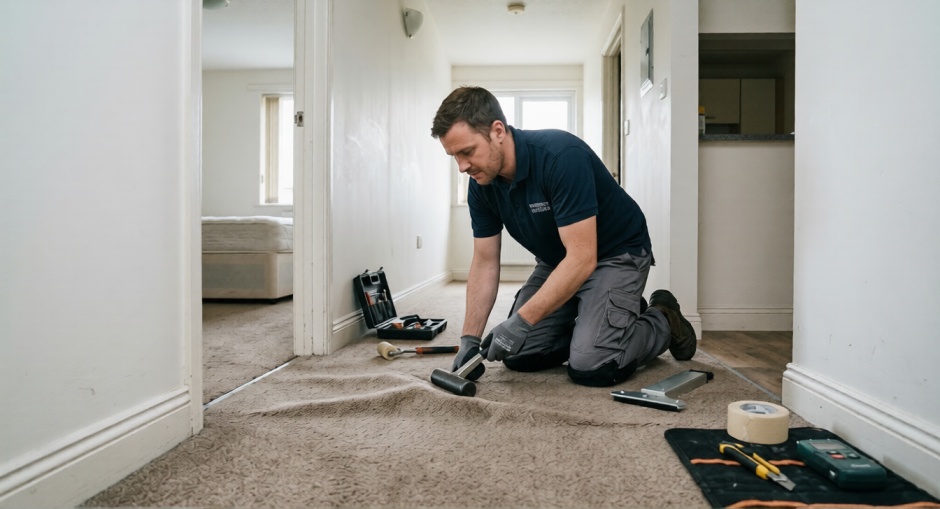
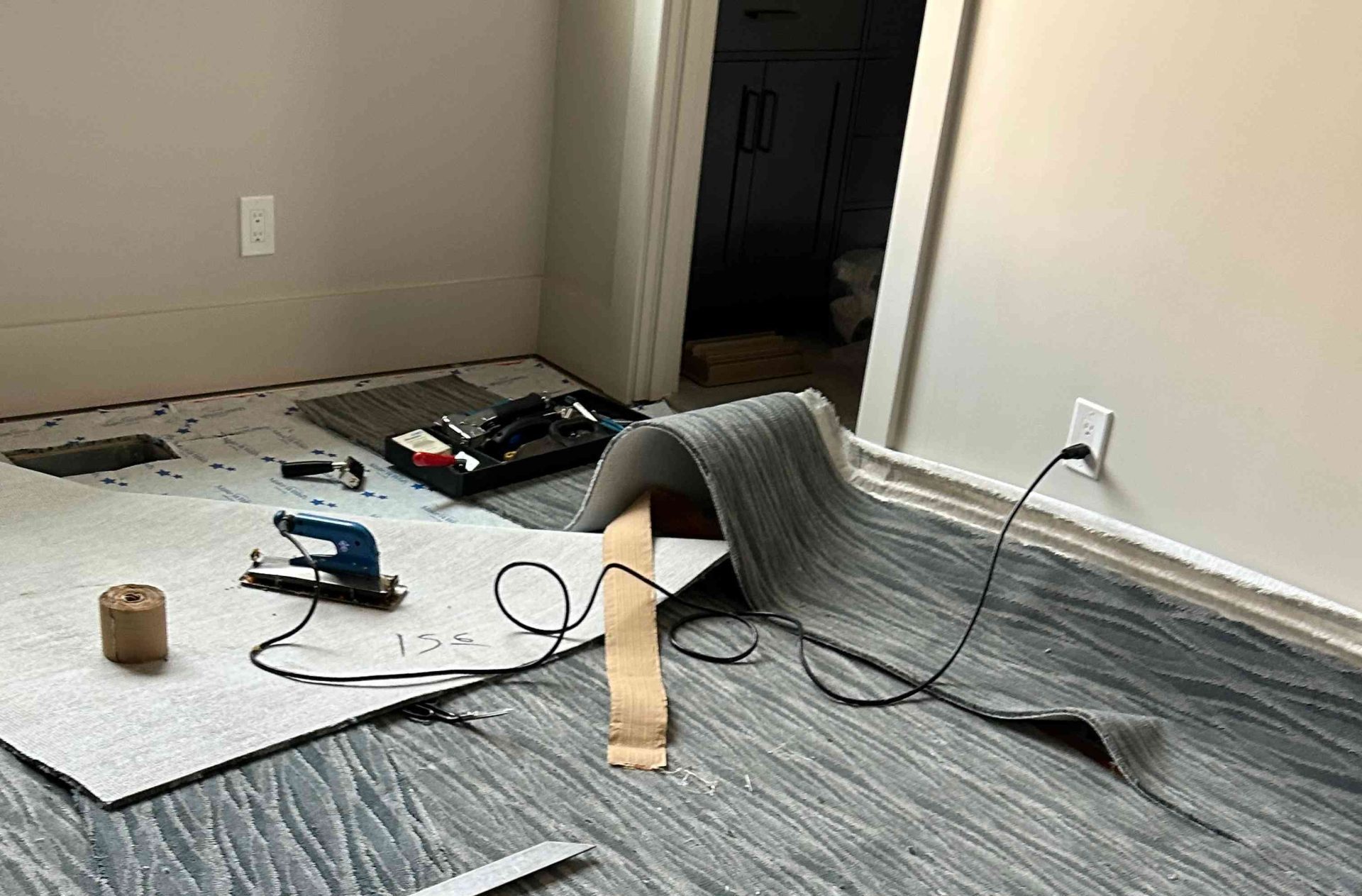
Professional carpet restretching in Northern Nevada involves labor only. There are no material costs beyond minor tack strip replacement if needed, and the disruption to the room is minimal compared to a full replacement project. Most residential room re-stretches can be completed in a single visit.
Full carpet replacement involves material costs, labor for removal and disposal of existing carpet and padding, new padding, installation labor, and potentially furniture moving fees. For an average living room or bedroom, the total expense of replacement is considerably higher than re-stretching in virtually every scenario. When the carpet condition supports a durable repair, carpet stretching vs replacement comes down clearly in favor of stretching on a cost basis.
The calculation shifts only when the carpet’s condition genuinely cannot support a lasting repair. In those cases, spending on a re-stretch that fails within months costs money twice. Understanding which situation you are dealing with is the real starting point of this decision.
When Stretching Delivers Lasting Value
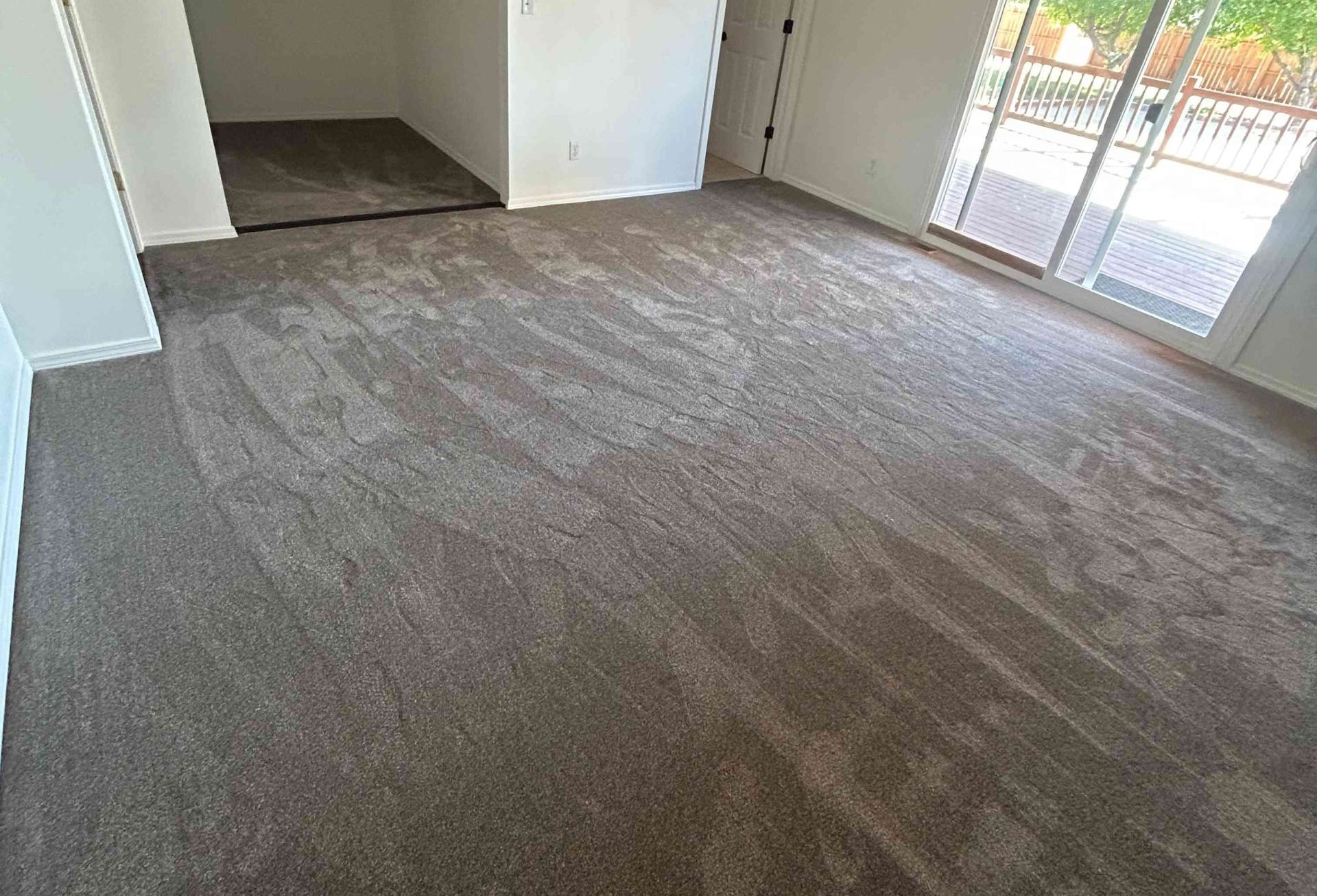
Stretching produces durable, long-term results when the carpet’s backing is intact, the pile has not worn through, and the problem is genuinely tension failure rather than material degradation. Carpet that rippled due to improper original installation, humidity exposure, or furniture displacement over time is typically a strong candidate for re-stretching when these conditions are met.
Age alone is not a disqualifying factor. Many carpets develop wrinkles well before reaching the midpoint of their functional life. A carpet installed six to eight years ago with good pile condition and clean fibers but visible rippling across the room may have seven to ten years of useful life remaining after professional re-stretching. Replacing it at that point means discarding flooring with substantial remaining value.
Homeowners who have had successful patch work or seam repairs done elsewhere on the same floor often find that re-stretching is equally reliable. These are complementary repairs and a carpet that has responded well to other professional repairs is generally a strong re-stretching candidate. For households in Northern Nevada where carpet stretching in Reno NV is being weighed against replacement, the condition of the backing and the pile is the most reliable deciding factor, not the number of visible wrinkles or the carpet’s age in isolation.
When Replacement Makes More Practical Sense
Carpet that has been saturated with water and not dried quickly enough will develop backing delamination and potentially subfloor moisture issues that re-stretching cannot resolve. Surface staining or odor penetration that has reached the backing and padding is similarly beyond what a stretch repair addresses. These situations point toward replacement regardless of how sound the surface pile appears.
Carpets with significant pile loss in high-traffic areas, visible fiber damage at seams and transitions, or backing that feels spongy or separates under light pressure are generally past the point where stretching produces lasting value. The same applies to carpet approaching or exceeding 15 years of age with visible surface wear across multiple areas. At that stage, replacement cost is justified because the flooring has reached the end of its practical lifespan.
Some homeowners reach replacement as the right choice because their flooring needs are changing, rather than because the carpet has failed. Transitioning from carpet to hard flooring in certain rooms, or upgrading carpet quality after a renovation, are value decisions rather than repair decisions. For those situations, carpet replacement Reno NV services handle removal and installation efficiently with significantly better results than a DIY approach.
Partial Replacement: The Middle-Ground Option
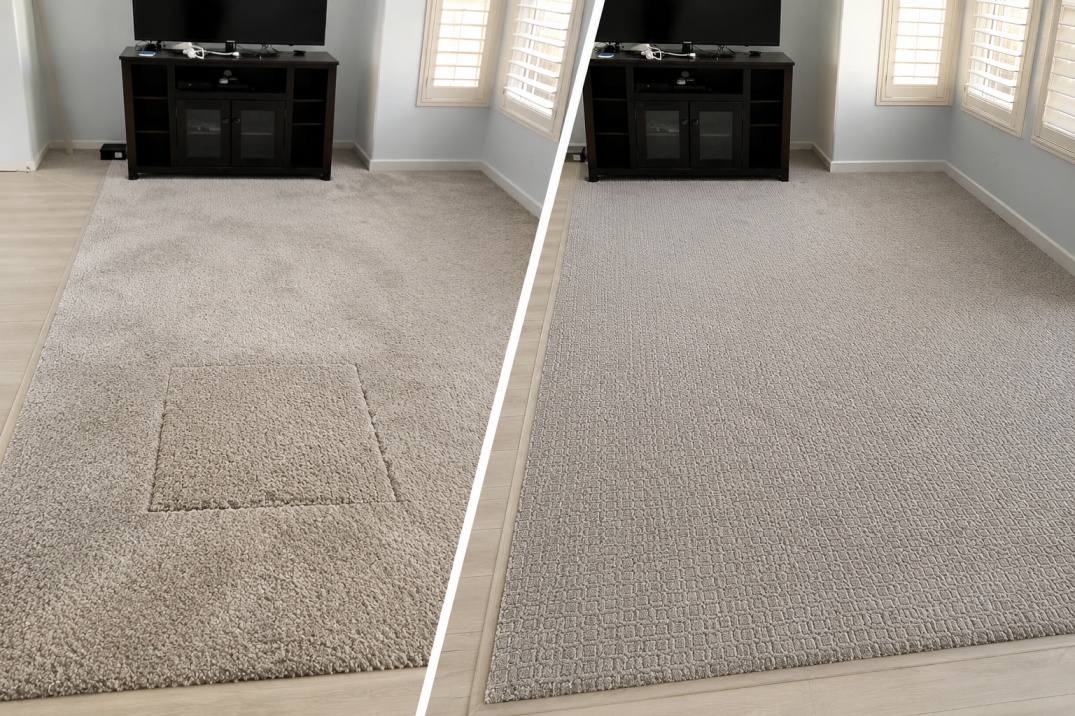
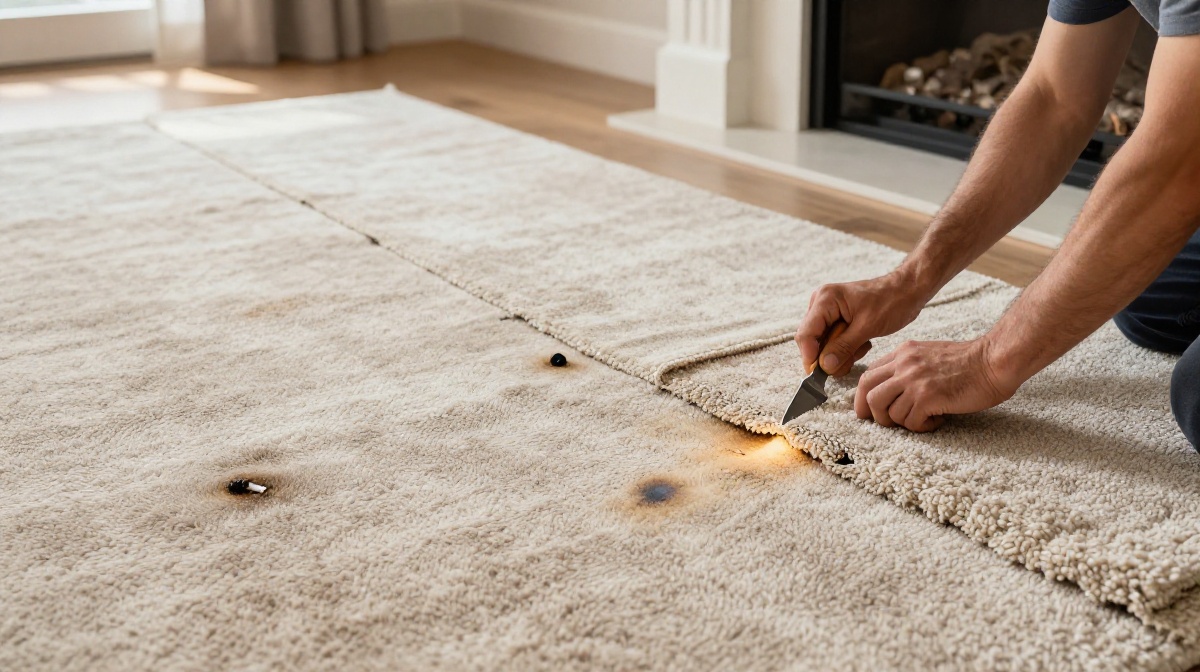
When a specific area has sustained damage but the surrounding flooring remains in good condition, targeted carpet patch repair offers a middle path between full replacement and re-stretching. A stained section, worn patch near a doorway, or damage from a furniture leg can often be replaced using a remnant from the same carpet lot or a closely matched piece, leaving the rest of the room undisturbed.
This approach is particularly cost-effective when damage is localized to one or two areas and the surrounding carpet still has meaningful, useful life remaining. Professional carpet patching Northern Nevada handles these situations routinely, and the results with careful color and texture matching are difficult to detect after the repair is complete.
What Seam Condition Tells You About Carpet Health
Carpet seams that are separating or showing visible gaps provide a useful indicator of overall flooring condition. A seam failure in one area while the rest of the carpet appears sound typically reflects a specific installation deficiency at that seam rather than broad material deterioration. This is generally a carpet seam repair situation, not a replacement indication.
When seams are failing across multiple locations simultaneously, it may indicate backing deterioration or adhesive failure that affects the carpet more broadly. In that case, re-stretching or patching is unlikely to produce durable results, and replacement becomes the more practical direction. For Northern Nevada homeowners dealing with seam issues alongside rippling or wrinkling, a professional evaluation that addresses both concerns together is more efficient than treating them as separate projects.
The Hidden Cost of Delaying the Decision
Wrinkled carpet that goes unaddressed worsens over time in a specific and important way. The backing deteriorates at the fold line, fibers wear unevenly along the ridge of the ripple, and tack strips shift under repeated pressure. A carpet that would have been a strong re-stretching candidate at 18 months may require replacement at 36 months because the accumulated backing damage pushed it past the threshold for a lasting repair.
Acting on carpet buckling repair while the carpet is still in good structural condition converts a minor repair expense into years of extended flooring life. Waiting until the problem demands attention often eliminates the more affordable option, leaving replacement as the only practical path.
The Long-Term Value Calculation
When comparing carpet stretching vs replacement from a long-term perspective, the analysis involves more than the immediate cost of either option. Consider the carpet’s probable remaining useful life after each intervention and evaluate the cost per year of use that each approach delivers.
Professional re-stretching that extends a carpet’s useful life by five to seven additional years represents significantly better value per year of use compared to a full replacement costing several times more. That value relationship shifts only when the carpet is genuinely near the end of its functional life, at which point replacement is justified by the full expected lifespan of the new material. According to the Carpet and Rug Institute, properly maintained residential carpet can last 10 to 15 years or more. Re-stretching, seam repair, and targeted patching are the maintenance tools that make that lifespan realistic rather than theoretical.
Carpet in homes where maintenance has been consistent, where regular vacuuming, periodic professional cleaning, and prompt repairs have been the standard, tends to be a strong candidate for re-stretching because the underlying material condition is sound. Deferred maintenance typically accumulates damage that narrows the repair outlook significantly.
Making the Assessment in Northern Nevada
A straightforward preliminary check involves pressing your palm flat against the carpet in the affected area. Intact backing feels consistent and moderately firm. Run your hand against the pile grain near the ripple. If pile condition looks reasonably consistent across the room, the problem is likely tension rather than surface wear, and re-stretching is a viable path. If pile depth differs significantly between the rippled area and low-traffic zones, the carpet may have worn beyond what stretching practically restores.
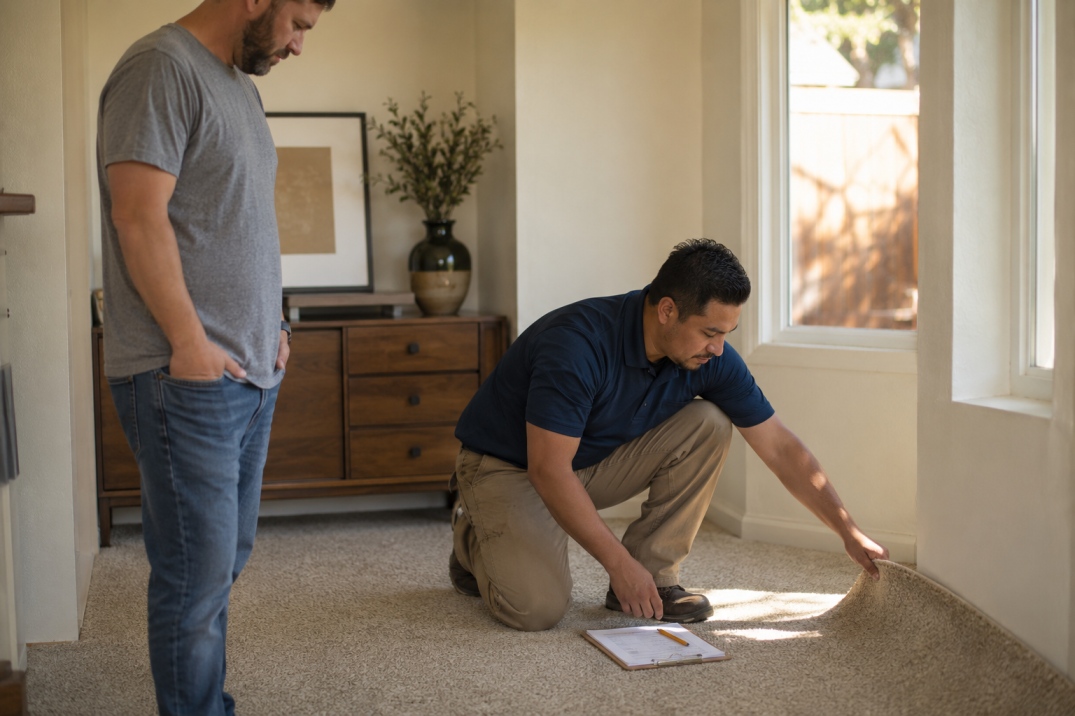
Professional carpet repair companies in Reno NV typically offer assessments before committing to any repair approach. That evaluation step matters because carpet stretching vs replacement is a condition-specific decision, and a professional review removes the guesswork from a choice that can represent hundreds to thousands of dollars in either direction. For Northern Nevada homeowners dealing with loose carpet, ripples, or related flooring concerns, an on-site assessment is the most reliable starting point available.