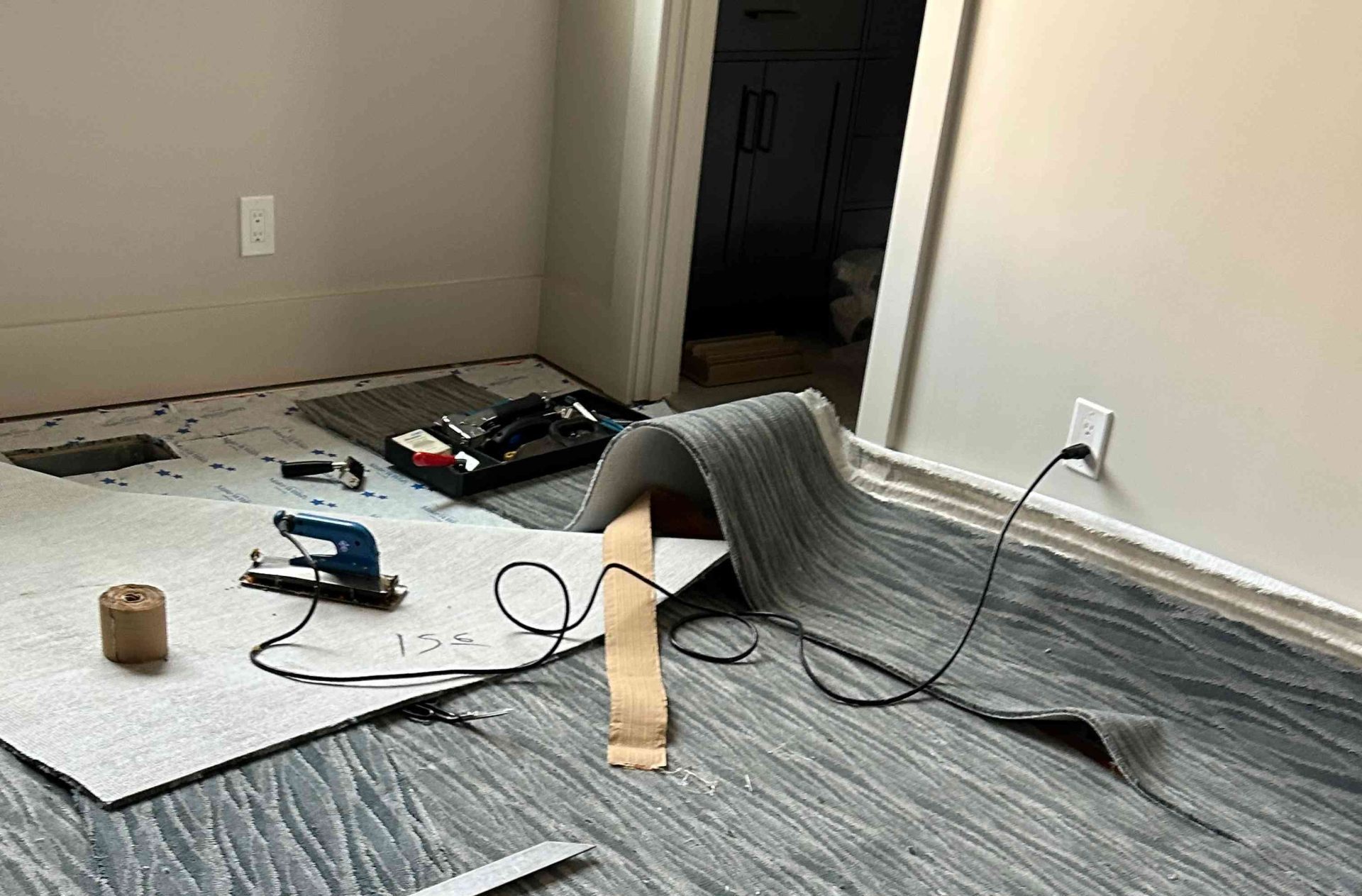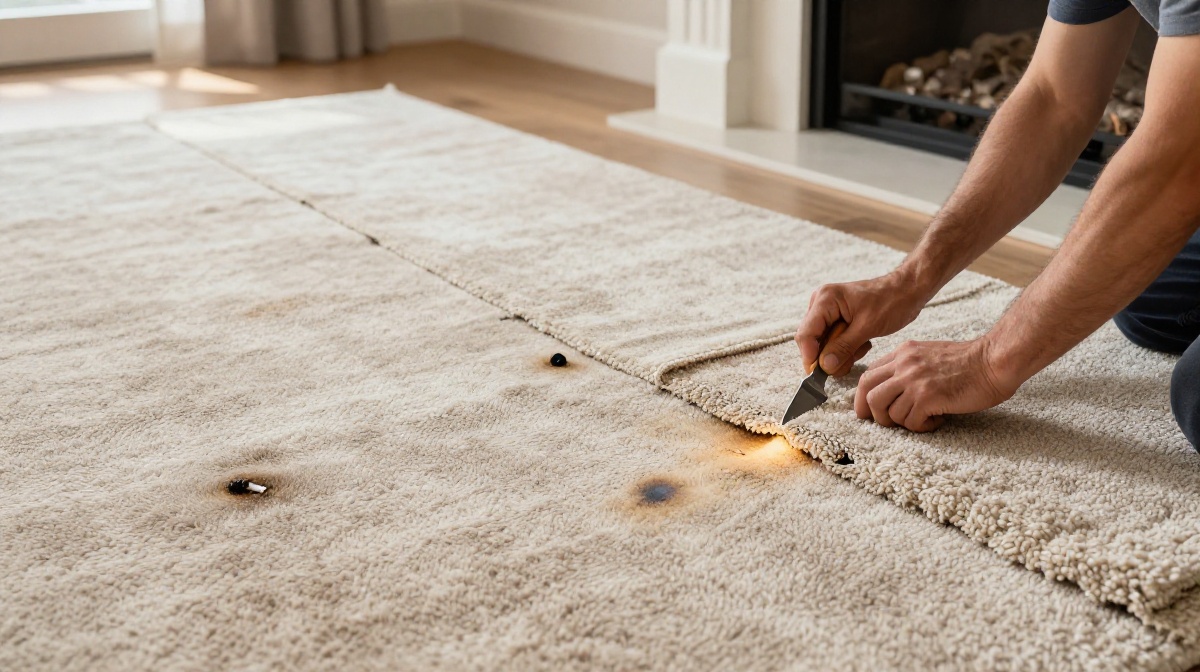
Knowing when to replace carpet instead of repair it is one of those decisions that sounds obvious until you are actually standing in the room looking at the damage. Carpet repair is almost always the more cost-effective option when the problem is isolated, but there are genuine situations where repair is the wrong call, either because the damage is too extensive, the carpet is too far gone, or the repair cost approaches the replacement cost without delivering a comparable result. This article lays out the actual criteria professionals use to make that call.
The honest answer is that most carpet problems do not require full replacement. Seam failures, rippling, buckles, and even moderate pet damage in a contained area are all repairable with the right approach and equipment. The cases where replacement genuinely makes more sense are specific, and they are worth knowing clearly so you are not talked into unnecessary work in either direction.
Repair vs Replace: The Starting Point
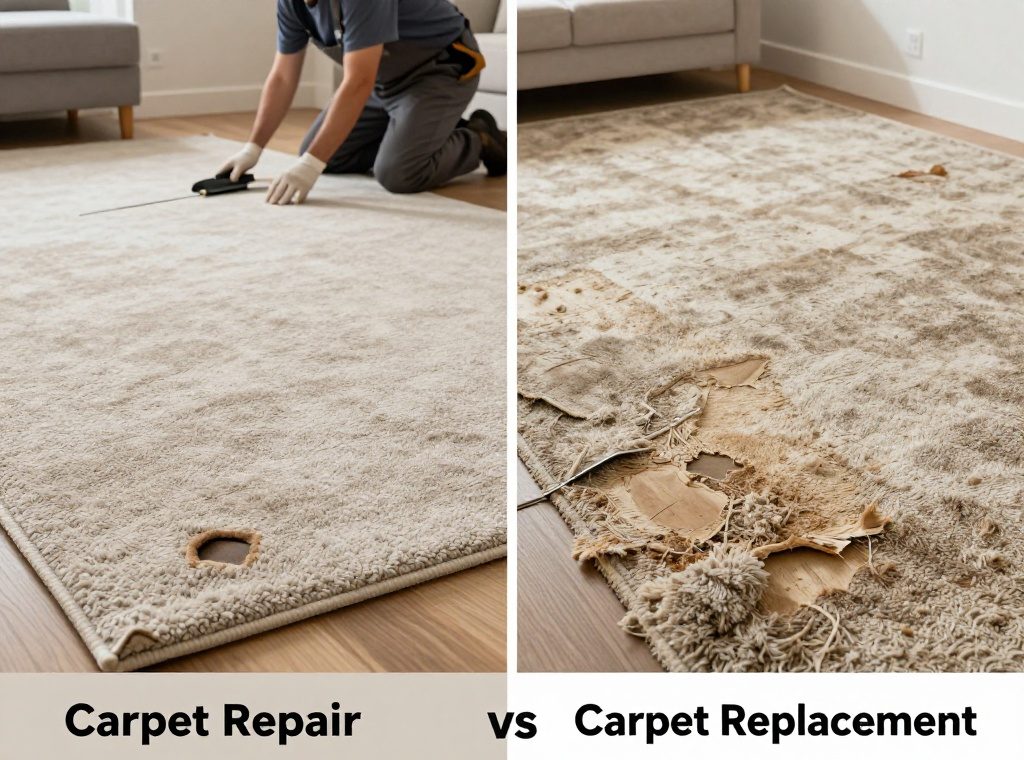
Before jumping to either conclusion, a carpet assessment should look at three things: the extent and type of the damage, the age and overall condition of the carpet, and the cost comparison between a targeted repair or section replacement versus a full re-carpet. Each of those factors influences the decision, and none of them alone is conclusive.
A carpet that is ten years old but structurally sound and in good condition everywhere except one damaged corner is a strong candidate for a targeted repair. The same carpet with widespread pile crushing, multiple failing seams, and persistent odor that cleaning cannot resolve is probably past the point where repair adds meaningful value.
Signs That Repair Is Still the Right Call
The Damage Is Isolated to One Area
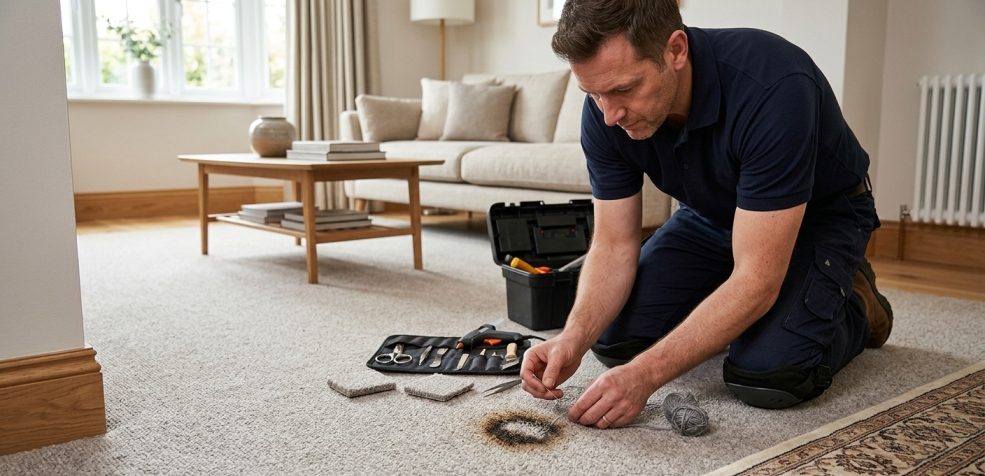
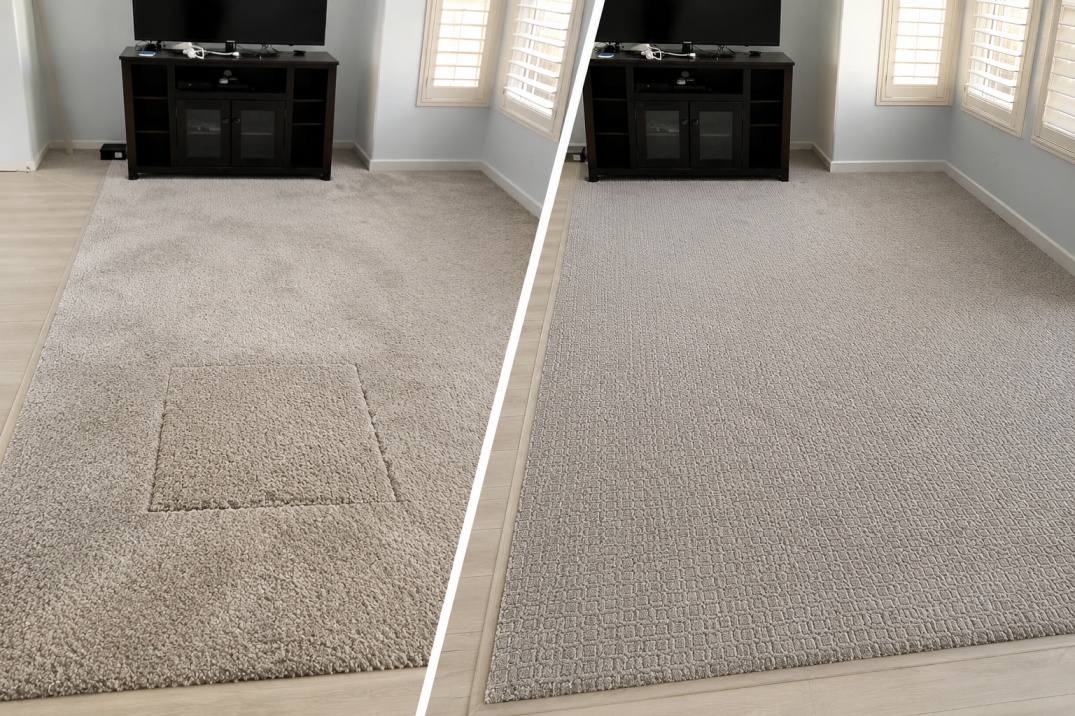
The strongest argument for repair over replacement is when the problem is contained. A burn from a dropped item, a pet damage area in one corner, a failed seam along a single join, or a buckle that has formed in one room but nowhere else: all of these are situations where a targeted fix makes clear financial sense. Replacing an entire floor because of damage affecting two square feet of it is never the optimal decision. Our carpet replacement service in Nevada handles exactly these situations with patch replacement that addresses only the damaged section, leaving the rest of the floor completely undisturbed.
The Carpet Is Structurally Sound
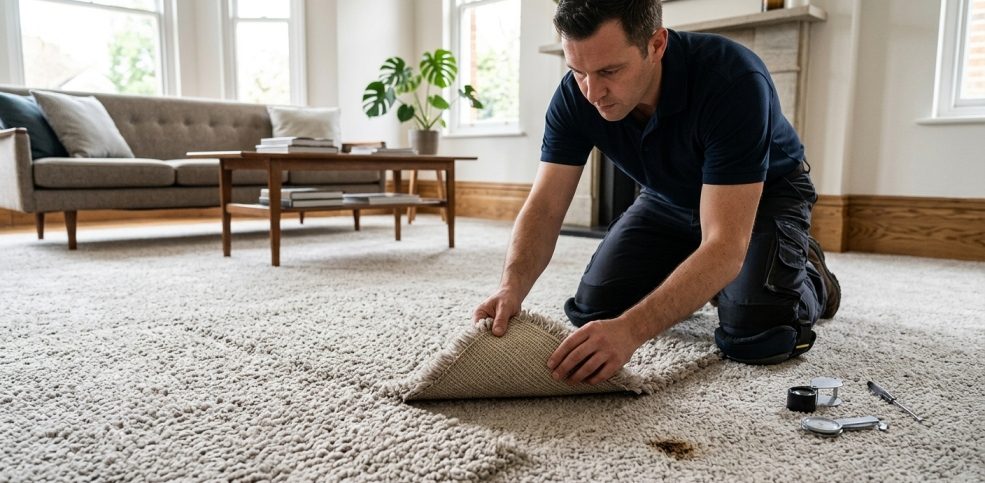
Structural soundness means the backing is intact, the pile is not worn through to the base in the damaged area, and the carpet holds its shape when pulled lightly at the edges. If the surrounding carpet feels firm and the pile still has reasonable density and recovery, the carpet has life left in it and a repair is well justified.
The Rippling or Buckling Is the Primary Problem
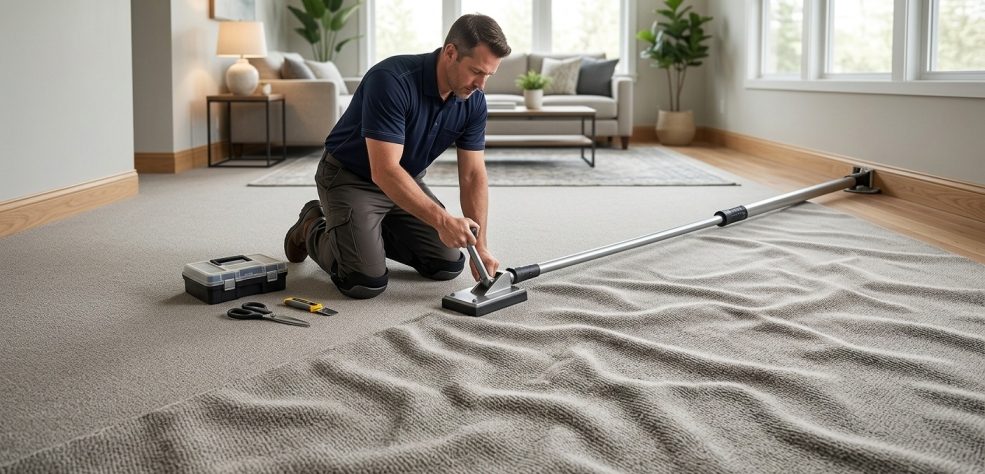
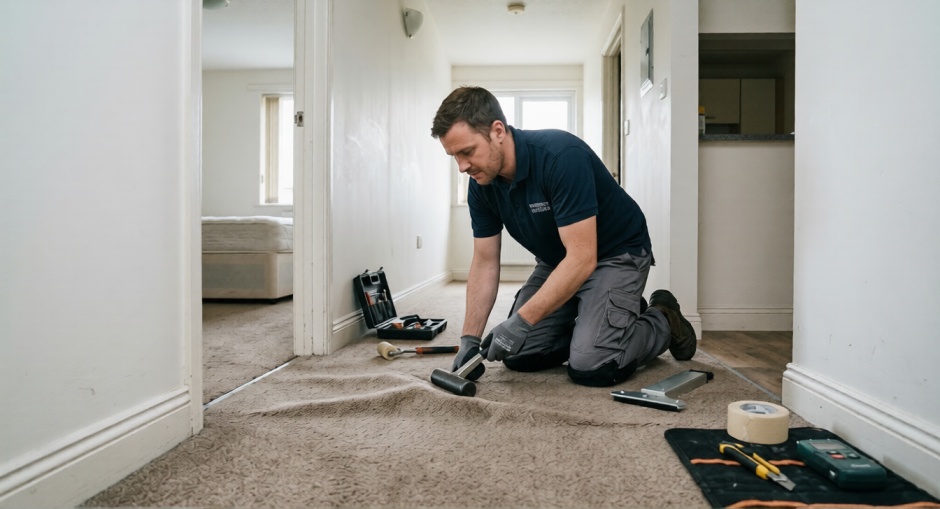
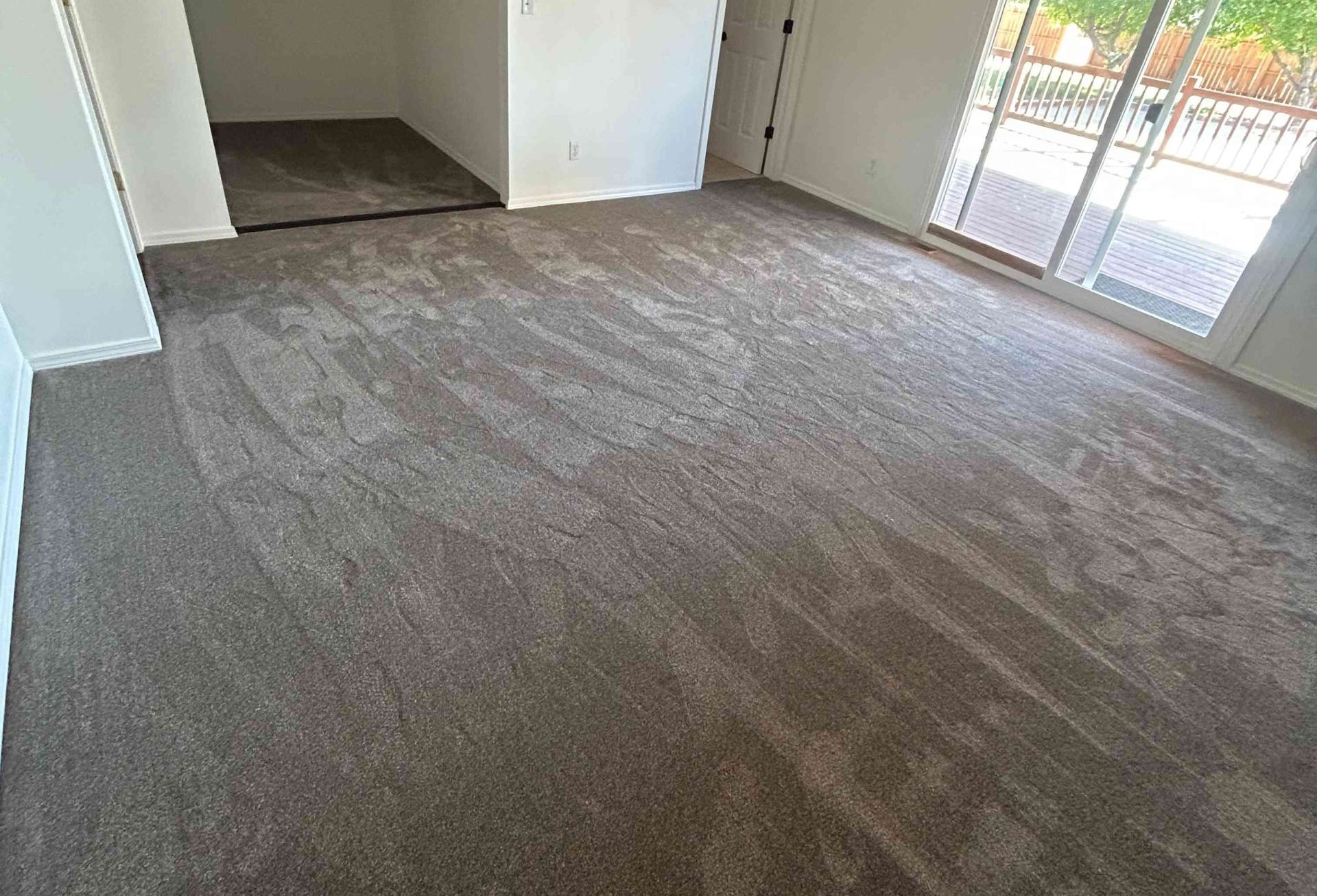
Carpet that has loosened and formed ripples or waves underfoot is not damaged in the sense of being physically worn or stained. It has simply lost tension due to age, foot traffic, or inadequate original installation. This is a textbook candidate for restretching, not replacement. A professional carpet restretching service resolves the buckling in a single visit and can add years to a carpet’s functional life at a fraction of replacement cost.
Signs That Replacement Makes More Sense
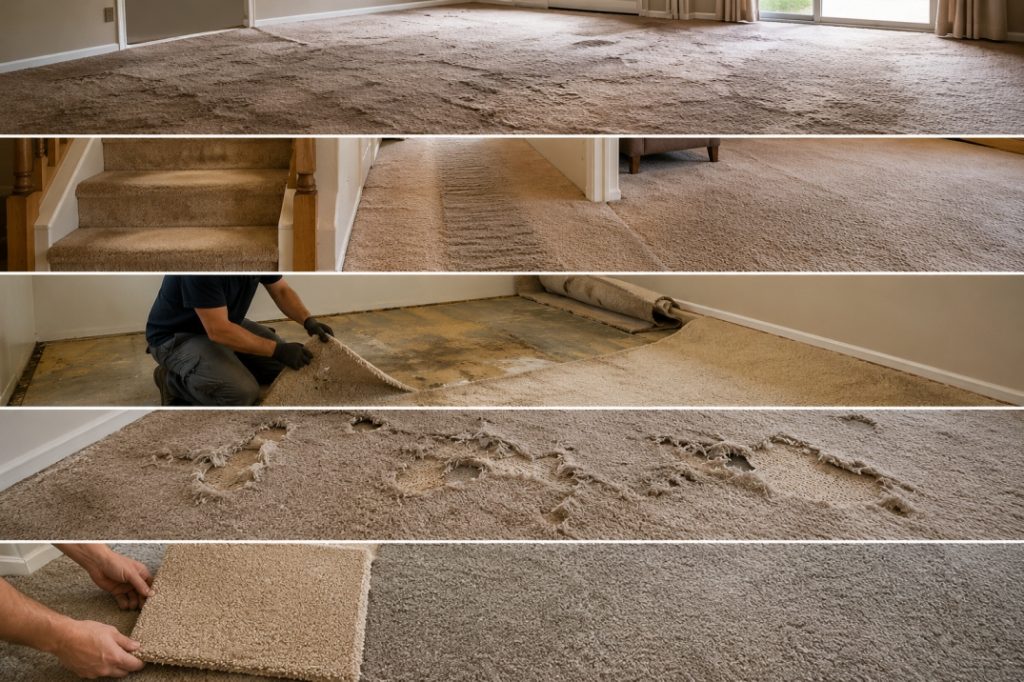
The Carpet Is Beyond Its Realistic Lifespan
Residential carpet in a typical Nevada home has a practical lifespan of eight to fifteen years depending on pile type, traffic levels, and how well it has been maintained. A carpet approaching or beyond that range that shows multiple signs of wear across the full floor is not a strong candidate for repair investment. You are putting money into a floor that will need replacing in the near term regardless of what gets fixed today. Spending on targeted repairs makes sense when the carpet has meaningful life left. It does not make sense as a way of delaying the inevitable by a year or two.
Widespread Matting and Pile Crush
Pile crush happens when the carpet fibers have been compacted by heavy traffic and no longer recover. In high-traffic areas like hallways, stairs, and living room paths, this creates a flat, thin appearance that is visibly different from adjacent carpet sections. If pile crush is affecting large portions of the floor, not just a contained patch, repair cannot address it. You cannot restore compressed pile through any mechanical or chemical treatment. At that point, the carpet’s useful life has ended in those areas regardless of its condition elsewhere.
Persistent Odor That Cleaning Has Not Resolved
Odor that has penetrated through the carpet pile and into the backing or underlay is one of the clearest indicators that replacement is the right move. Pet urine, in particular, reaches the subfloor in severe cases, and surface or even professional cleaning cannot fully address contamination that has gone that deep. If the odor returns within weeks of a professional clean, it is coming from below the carpet surface, not from the pile itself. A carpet seam repair or restretching does nothing to address this. The only way to eliminate deeply embedded odor is to remove the affected carpet and underlay entirely and address the subfloor before new carpet is installed.
Physical Damage Across a Large Area
Burns, tears, or pet damage affecting a large continuous section of carpet present a different calculation than damage in a single spot. Patching a two-foot area is clean and cost-effective. Patching a five-foot by eight-foot section requires sourcing a significant amount of matching carpet, executing multiple seams, and accepting that the match may not be perfect on older carpet where the surrounding pile has faded or worn differently. At a certain size threshold, the economics of patching shift toward partial or full replacement being more sensible.
The Carpet Cannot Be Matched for Patching
Patch repairs work because a closely matched section of carpet is used to replace the damaged area. The match covers color, pile type, pile height, and texture. On newer carpet, this is usually achievable either from leftover offcuts or from current stock. On older carpet, particularly carpet that has been discontinued or that has faded significantly over years of sunlight exposure, a precise match may not be possible. A visible patch that does not blend with the surrounding floor is, in most cases, more distracting than the original damage. When a match cannot be confirmed, replacement is the cleaner outcome.
Using Age and Condition Together to Make the Call
A useful way to frame the repair-versus-replace decision is to look at age and condition together rather than separately.
| Carpet Age | Condition | Recommendation |
| Under 5 years | Good overall, isolated damage | Repair or patch |
| 5-10 years | Good overall, single problem area | Repair or patch |
| 5-10 years | Multiple problems, heavy wear | Assess carefully; consider replacement |
| 10-15 years | Reasonable condition, isolated issue | Targeted repair if cost-justified |
| 10-15 years | Widespread wear, odor, matting | Replace |
| Over 15 years | Any significant damage | Replacement is usually the better value |
This framework is not rigid. A high-quality wool carpet installed fifteen years ago that has been well-maintained and shows only a seam failure is still worth repairing. A budget synthetic carpet at eight years that has been in a high-traffic rental property may already be past its reasonable lifespan. The framework gives you a starting point, not a final answer.
Property and Financial Considerations
Rental Properties
Landlords face a slightly different calculation. The decision to repair or replace is influenced not only by the carpet’s condition but by the property’s rental tier, how long the carpet has been in service relative to its depreciated value, and what level of presentation is appropriate for the property and rental market. In general, repairs make strong economic sense for rental properties when the carpet still has several years of service life remaining. Replacement makes sense when the carpet is approaching end of life, when a new tenancy is beginning, or when the damage is serious enough to affect the property’s rental appeal.
Pre-Sale Preparation
For homeowners preparing a property for sale in Reno, Sparks, or the wider Northern Nevada market, the repair-versus-replace question takes on an additional layer. Buyers notice flooring immediately, and a carpet with visible damage, staining, or obvious patches may raise concerns beyond the carpet itself. A clean, professionally executed repair is usually preferable to leaving damage visible. Full replacement may be warranted if the carpet’s overall condition is poor, as new carpet is a selling point that buyers respond to, though the cost needs to be weighed against the expected return.
Insurance and Liability
Carpet damage caused by a covered event, such as water ingress from a storm or a burst pipe, may be eligible for insurance reimbursement. In those cases, the insurer may direct the repair-versus-replace decision based on the damage assessment. Having documentation from a qualified carpet professional strengthens any claim. The Federal Trade Commission’s guidance on home repairs and insurance claims is worth reviewing if you are navigating a claim alongside a carpet repair or replacement decision.
Why a Professional Assessment Makes the Difference
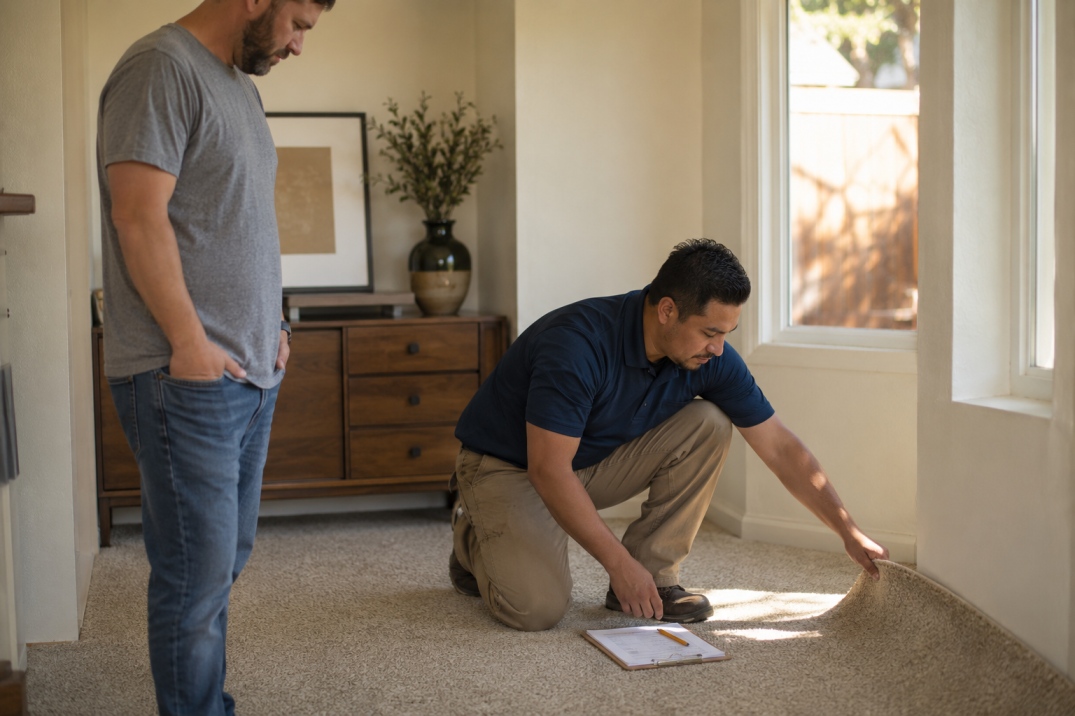
The repair-versus-replace decision is best made after a qualified professional has seen the carpet in person. What looks like widespread damage from a photograph is sometimes confined to a single area on close inspection. What looks like a minor issue to the untrained eye can sometimes indicate backing separation or underlay saturation that changes the calculus entirely.
At Carpet Repair Service, we are repair-first in our approach. We do not recommend replacement when repair is the right solution. But when replacement is genuinely the better outcome for a client, we say so clearly. Our team covers Reno, Sparks, Carson City, Fernley, and Incline Village, and every assessment is provided honestly with a transparent explanation of what we found and what we recommend. You can schedule a consultation here and get a clear answer before making any financial commitment.
For independent guidance on carpet lifespan and maintenance, the Carpet and Rug Institute publishes consumer resources on carpet care, expected service life, and how to evaluate carpet condition. Their guidance aligns with the professional assessment criteria used in the field.
Frequently Asked Questions
How do I know if my carpet is too old to repair?
Age alone is not the deciding factor, but it matters in context. A carpet over fifteen years old that shows widespread pile crush, multiple failing areas, or persistent odor is generally past the point where repair investment makes sense. A carpet of the same age that is in good condition except for a single isolated problem area may still be worth repairing, particularly if it is a higher-quality product.
Is it worth repairing carpet before selling a house?
Usually yes, provided the repair is professionally executed and the carpet is otherwise presentable. Visible damage draws buyer attention and can raise questions about overall property maintenance. A clean repair removes that distraction. If the carpet is in poor overall condition, replacement may deliver a better return than multiple repairs on a floor that still looks tired.
Can pet damage always be repaired?
Contained pet damage in a specific area, such as scratching or chewing at a corner, can usually be addressed with a patch replacement using matched carpet. Damage affecting a large area, or urine contamination that has saturated through to the underlay and subfloor, is a different situation. Severe odor contamination generally requires full carpet and underlay removal.
What is the typical lifespan of residential carpet?
Residential carpet in a typical home has a practical lifespan of eight to fifteen years. Higher-quality products installed in lower-traffic areas can exceed fifteen years with proper care. Budget synthetic carpet in high-traffic areas may show significant wear by year seven or eight. Regular vacuuming and professional cleaning extend useful lifespan considerably.
Does carpet type affect the repair-vs-replace decision?
Yes. Berber and loop-pile carpets are more vulnerable to unraveling once damaged and require more careful assessment before repair is confirmed. Cut-pile and plush carpets are generally more forgiving for patch repairs and seam work. High-quality wool carpets are almost always worth repairing given their replacement cost. Budget synthetic carpet at end of life is more likely to favor replacement.
Key Takeaways
- Most carpet problems, including seam failures, rippling, and contained damage, do not require full replacement
- Replacement makes sense when damage is widespread, the carpet is beyond its realistic lifespan, or persistent odor indicates underlay saturation
- Age and condition together determine whether repair investment is worthwhile, not age alone
- Pile crush across large floor areas cannot be reversed by any repair technique. It indicates the carpet has reached end of life in those zones
- For rental properties and pre-sale situations, the repair-versus-replace decision carries additional financial and presentation considerations
- A professional in-person assessment is the most reliable way to get an accurate recommendation
Schedule a Consultation With Carpet Repair Service Nevada
If you are trying to decide whether your carpet can be repaired or whether replacement is the right move, a professional assessment is the fastest way to get a clear answer. We serve Reno, Sparks, Carson City, Fernley, and Incline Village, and we will give you an honest evaluation with no obligation.
Call (775) 541-3167 or book your consultation at carpetrepairnevada.com.